
Automated DNA Extraction from Blood: A Workflow Buying Guide
Define the blood fraction, collection history, kit, working volumes and batch requirements before comparing automated DNA extraction equipment.
Automated DNA extraction from blood starts with a defined target, blood fraction and kit-supported method—not an instrument’s sample-count label. Whole-blood genomic DNA, plasma cell-free DNA and pathogen nucleic acid workflows need different requirements documented before equipment is shortlisted.
Without those details, a quote can match the requested batch size while leaving the kit, preparation or output format unresolved. Build the workflow brief first, then compare the equipment against it.
For capacity planning, the MultiEX 032 processes 1–32 samples per run and the MultiEX 096P processes 1–96. These are manufacturer-stated capacities; blood sample suitability requires separate confirmation of the kit, program and consumables. This guide focuses on planning a whole-blood genomic DNA workflow.
Define what “DNA from blood” means
Identify the DNA target and the material that actually enters extraction. A collection tube, a separated blood fraction and a prepared lysate are different descriptions of the starting point.
| Workflow description | Clarify before requesting a configuration |
|---|---|
| Whole-blood genomic DNA | Species, collection tube, cellular input and preparation method |
| Buffy-coat genomic DNA | How the fraction is prepared and what the selected kit accepts |
| Plasma or serum cell-free DNA | Sample fraction, preparation history, input and elution requirements |
| Pathogen nucleic acid | Target, matrix, extraction kit and downstream assay requirements |
For human cellular genomic DNA, white blood cells are a source of nuclear DNA. Promega’s genomic DNA method documentation describes that cellular basis and its own preparation sequence. It is an example of a documented method, not evidence that every blood extraction requires the same cell-separation steps.
If the actual target is plasma cfDNA, use the large-volume cfDNA workflow guide instead of treating a whole-blood genomic DNA method as interchangeable. For pathogen-focused requirements, see the viral extraction planning guide.
Keep collection and handling with the sample specification
The equipment brief should name the collection tube or anticoagulant, sample condition and handling history. “Blood, 200 µL” is less useful than a record that also identifies what the kit supports and how the sample reached the preparation bench.
Platform-specific IFUs can define collection and storage requirements narrowly. For example, Promega’s blood DNA kit manual specifies accepted anticoagulants, handling conditions and cellular-input limits for its own method. Those conditions cannot establish compatibility for a different kit or instrument.
For the supplier discussion, record:
- The intended blood fraction and species.
- Collection tube and anticoagulant or preservative.
- Fresh, refrigerated or frozen status, with the documented handling history.
- Raw input volume and any cellular-input requirement in the selected method.
- Known sample issues that the lab’s procedure requires it to identify.
Keep these as requirements to review against the actual kit instructions. Do not select a tube, storage interval or preparation change from a generic equipment article.
Map the preparation and extraction stages
Ask where the proposed automated workflow begins. An instrument may receive prepared lysate rather than the original blood sample, and a separate preparation stage can still determine the pace of the day.
Use a stage record like this when comparing configurations:
| Stage | What to document | Purchasing question |
|---|---|---|
| Sample receipt and preparation | Method, labels and operator responsibility | What work happens before loading? |
| Lysis and reagent setup | Kit-defined sequence and location | Which steps run on the instrument? |
| Binding, washing and elution | Program identity and matching consumables | Is the proposed method documented for this configuration? |
| Output collection | Buffer, volume, vessel and identity record | Can the next procedure accept the output? |
| Between-run work | Unloading, preparation and required routine tasks | What limits the next batch’s start? |
This is a planning worksheet, not an operating sequence. The chosen method determines whether additional preparation is required and where it occurs. The protocol-to-automation checklist provides a more detailed record for discussing those responsibilities.
Compare working volume, not only raw blood volume
An instrument’s processing-volume range is not the same as the raw blood input permitted by a kit. At a particular stage, the vessel may contain sample plus the reagents present in that step.
Ask for the maximum working volume at each stage, together with the vessel and rod-sleeve requirements. A statement that a kit accepts a certain blood input does not, by itself, show that its complete program fits the proposed hardware and plastics.
The MultiEX 032 and 096P both list 50–1000 µL processing volume per sample. Use that documented equipment range as a comparison field, then have the proposed kit and program reviewed against it. Do not interpret the upper limit as permission to load that volume of raw blood.
A useful configuration response identifies the kit and IFU revision, program revision, plate or vessel, rod sleeves, and the processing-volume requirements. “Open system” still requires these details; it is not a universal compatibility statement.
Plan the complete batch and output requirement
Count control and planned repeat positions alongside routine specimens. Then check whether sample preparation and the downstream workflow can support the proposed extraction batch.
Equal blood volumes also need not provide equal cellular input. The Promega blood DNA manual identifies sample volume and white-cell content as factors in total genomic DNA yield. That is a reason to document the method’s input criteria, not to expect one yield from every specimen or choose equipment using an unsupported yield promise.
Before an evaluation, have the lab define the output it needs: usable quantity, concentration, integrity, buffer, volume and collection format. Record the checks required by the downstream application and the lab’s own evaluation procedure. An equipment-capacity table cannot set those acceptance criteria.
Shortlist MultiEX by documented equipment capacity
Use the model facts to compare scale, then resolve the sample-specific method separately.
| Equipment option | Manufacturer-stated samples per run | Processing volume per sample | Requirement still to confirm |
|---|---|---|---|
| MultiEX 032 | 1–32 | 50–1000 µL | Proposed blood kit, preparation, program and consumables |
| MultiEX 096P | 1–96 | 50–1000 µL | Complete batch, proposed method and downstream handoff |
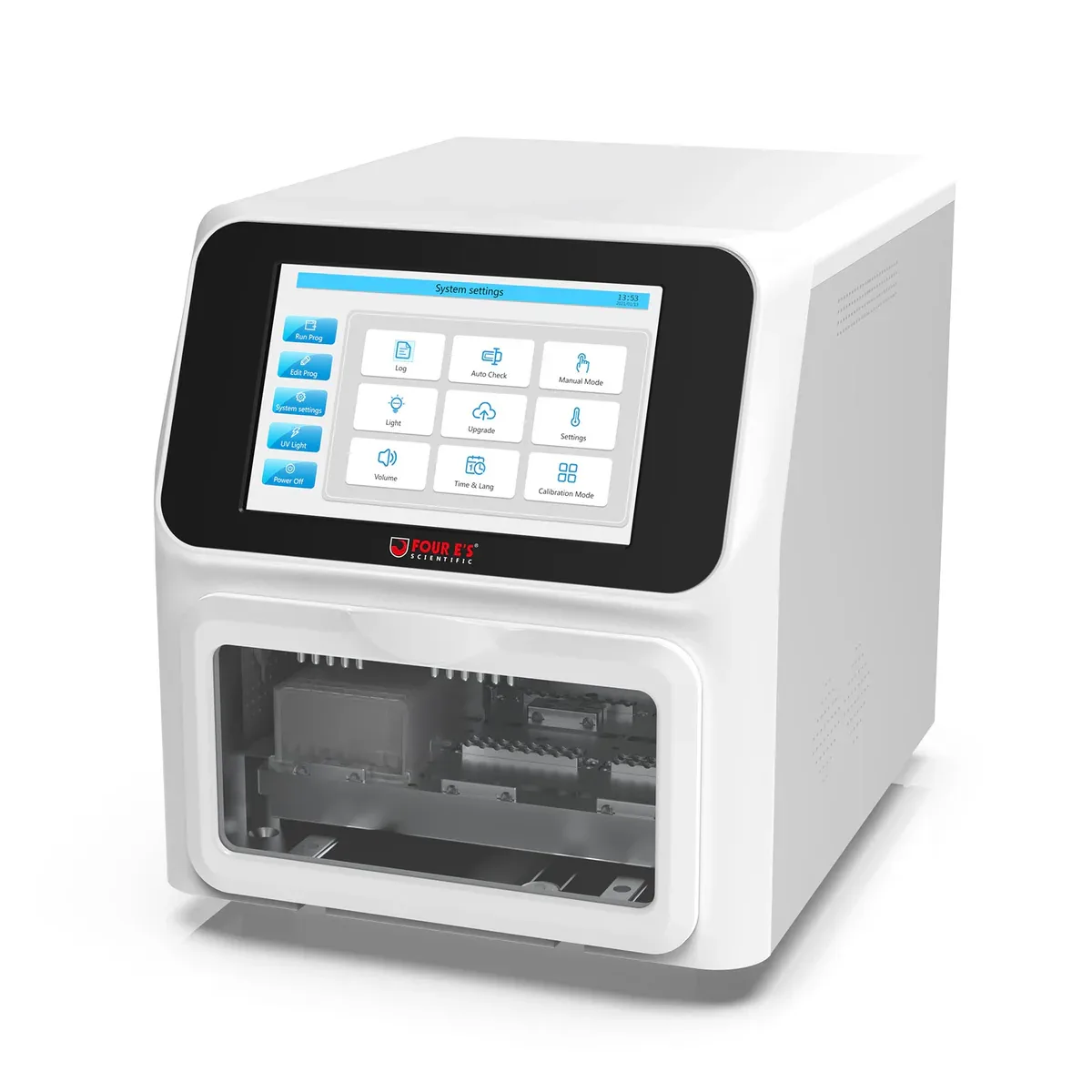
Review the full model comparison if a different batch or volume class is needed. Use the open-system kit checklist to organize compatibility questions.
For a mid-throughput equipment shortlist, submit a MultiEX 032 purchase inquiry with the documented method requirements. Request the proposed consumables and current datasheet alongside the quote.
A supplier brief you can prepare before the quote
A concise brief helps the purchasing channel distinguish a batch-size request from a method-fit request. Fill in the undecided fields as questions rather than leaving them implicit.
We are evaluating automated extraction of [DNA target] from [blood fraction/species], collected in [tube/anticoagulant]. Our proposed kit is [name and IFU revision]. Routine batches contain [specimens, controls and planned repeats]. The documented processing and output requirements are [working volumes, buffer, elution volume and vessel]. Please identify the proposed instrument, program and consumables, and confirm what remains manual. Our purchase timeline is [timing].
For larger batches, request a MultiEX 096P equipment quote with the same brief. Confirm kit suitability, intended-use requirements and any necessary laboratory evaluation separately from the instrument’s sample capacity.
Blood DNA extraction questions
Can whole-blood and plasma cfDNA methods use the same equipment brief?
They should identify their requirements separately. The sample fraction, target, preparation and kit are essential context; the word “blood” does not establish that the methods are interchangeable.
Does a 96-well plate mean 96 blood samples per run?
Plate format and instrument capacity are separate specifications. Confirm the model’s documented samples per run and the proposed program’s allocation of specimens and controls. Our plate workflow guide explains this distinction.
Is every magnetic-bead blood kit suitable for an open-system extractor?
Do not assume that. Review the actual kit instructions, program, working volumes and consumables with the supplier. A purchase inquiry should request that configuration review rather than treat a broad kit category as established compatibility.
Planning an extraction workflow?
Share your sample type, routine batch size and kit requirements with Surge Scientific.